
The Most Common Plumbing Emergencies and How to Handle ThemS
- westinplumbingllc
- Sep 18, 2025
- 3 min read
Plumbing emergencies are every homeowner’s nightmare. One moment everything seems fine, and the next, you’re dealing with overflowing water, broken pipes, or a malfunctioning fixture. These situations can cause major damage if not addressed quickly. The good news is, by knowing what the most common plumbing emergencies are and how to respond, you can minimize stress, protect your property, and prevent costly repairs.
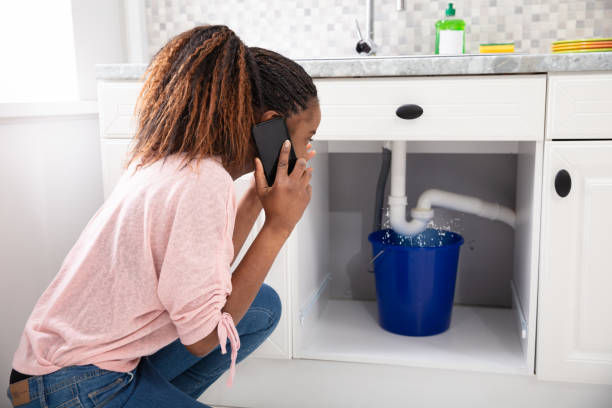
Burst Pipes
One of the most serious plumbing emergencies is a burst pipe. This usually happens due to freezing temperatures, corrosion, or excess water pressure. A burst pipe can flood your home within minutes, causing water damage to floors, walls, and belongings.
How to handle it :
If you suspect a burst pipe, immediately shut off the main water supply to stop the flow. Open nearby faucets to drain remaining water and reduce pressure in the system. Call a licensed plumber right away to repair or replace the damaged pipe.
Clogged Drains and Toilets
Clogged drains are common, but when water starts backing up or overflowing, it becomes an emergency. Toilets are especially problematic because of the potential for contamination. Blockages are often caused by grease, hair, foreign objects, or excessive paper buildup.
How to handle it :
Avoid using harsh chemicals as they can damage your pipes. Instead, use a plunger or plumbing snake to clear minor clogs. If the blockage persists, call a professional plumber to resolve the issue safely and prevent further damage.
Leaky Faucets and Fixtures
While a dripping faucet may seem minor, it can waste gallons of water over time and increase your utility bills. Worse, leaks can spread to walls and floors, causing hidden water damage and mold growth.
How to handle it :
Turn off the water supply to the fixture, then try tightening connections or replacing worn-out washers. If the leak continues, schedule a repair with a plumber to prevent further complications.
Water Heater Failure
Few things are more frustrating than stepping into a cold shower because your water heater suddenly stopped working. Water heater issues may include no hot water, strange noises, or even leaks around the unit.
How to handle it :
Check if the pilot light is on (for gas heaters) or if the breaker has tripped (for electric units). If you see leaks or strange sounds, turn off the water and power supply to the unit. Call a plumber to inspect and fix the heater before the problem worsens.
Sewer Line Backup
A sewer backup is one of the most unpleasant plumbing emergencies. It usually comes with foul odors, slow drains, and even wastewater backing into sinks or toilets. This issue poses serious health risks and requires immediate attention.
How to handle it :
Avoid using any plumbing fixtures until the issue is resolved. Call a professional plumber to inspect and clear the sewer line using specialized equipment. Regular maintenance and inspections can also help prevent future backups.
Frozen Pipes
In cold climates, frozen pipes are a major concern. When water inside pipes freezes, it expands, increasing the risk of pipe bursts. Homeowners often notice reduced or no water flow during freezing weather, which indicates ice blockage.
How to handle it :
Turn off the water supply and gently warm the frozen pipe with a hair dryer or heating pad. Never use an open flame, as it can damage the pipe or cause a fire. Insulating pipes before winter is the best preventive measure.
Conclusion
Plumbing emergencies can happen at any time, but knowing how to respond makes all the difference. From burst pipes to sewer backups, quick action can reduce damage and keep your home safe. While some problems may have temporary DIY fixes, most plumbing emergencies require professional attention. Keeping your plumber’s contact information handy ensures you’re prepared whenever disaster strikes.
Westin Plumbing
1555 Commercial Ave, Sheridan, WY 82801, USA
(307)-219-5395


Comments